8 hr
Nairobi Wildlife Safari: National Park, Elephant Orphanage & Giraffe Sanctuary
Full-day adventure combining a 4-hour game drive with close encounters at wildlife sanctuaries
Reserve
Wild lions against Nairobi's skyline, orphaned elephants finding hope
Hand-picked by our editors — only the best 4 experiences from 18 reviewed.
Verified partners for Nairobi National Park and Elephant Orphanage tours, free cancellation where available, and instant confirmation on every booking.
8 hr
Full-day adventure combining a 4-hour game drive with close encounters at wildlife sanctuaries
Reserve
5 hr
Experience African wildlife against Nairobi's skyline on this guided game drive through Kenya's unique urban park
Reserve
6 hr
Experience Kenya's most beloved wildlife encounters in one unforgettable day across three iconic destinations
ReservePrices from verified partners. Availability updates in real time at checkout. Free cancellation policies apply where shown.
The landmarks, rooms, and views travelers on Nairobi National Park and Elephant Orphanage tours remember — all visible on a single visit.
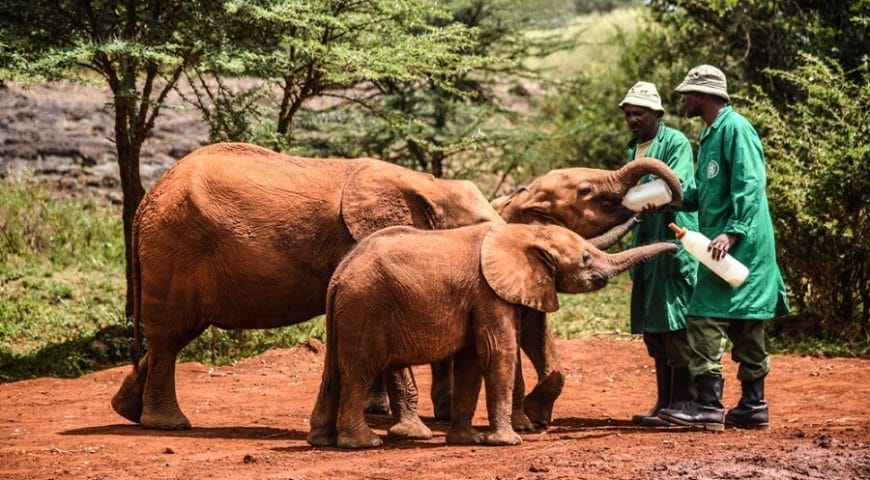
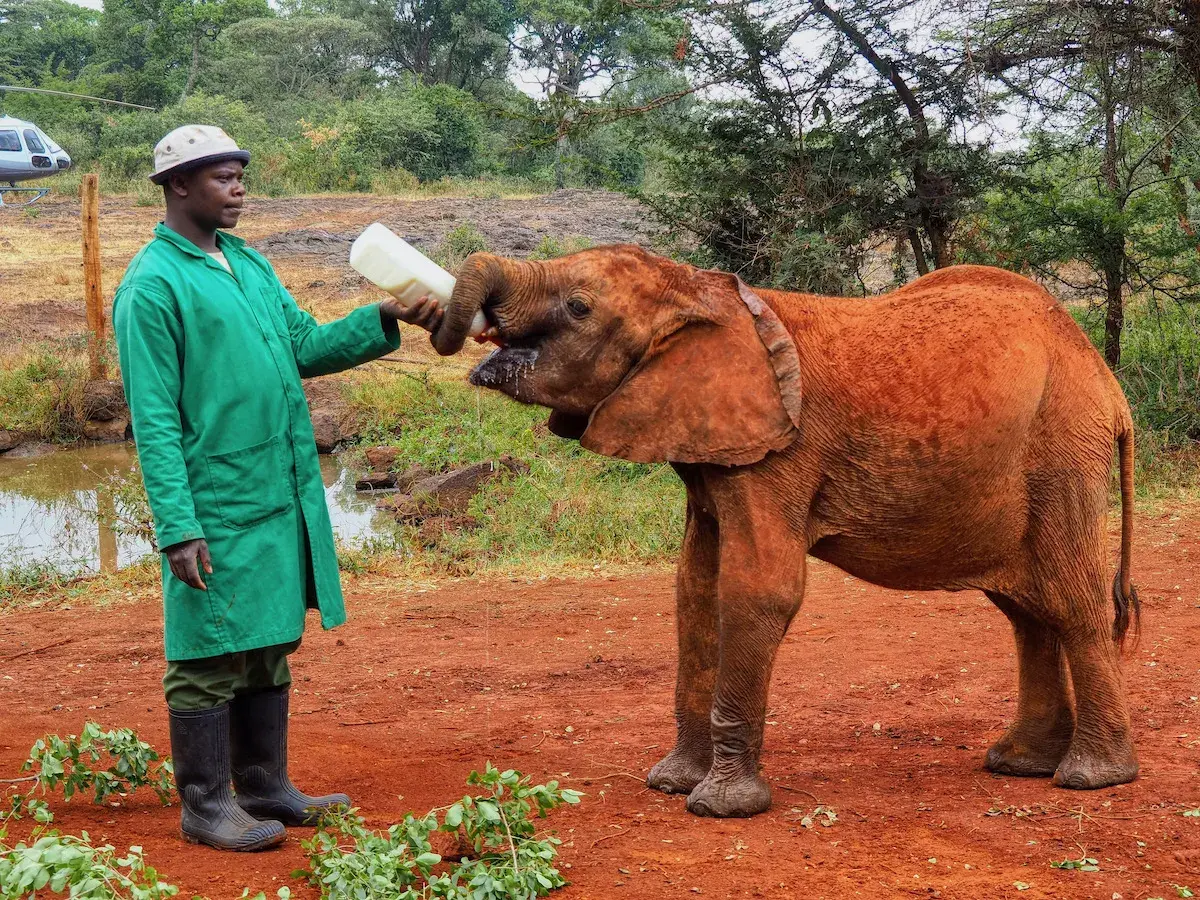
Meet orphaned elephants being rehabilitated by keepers at this specific sanctuary.
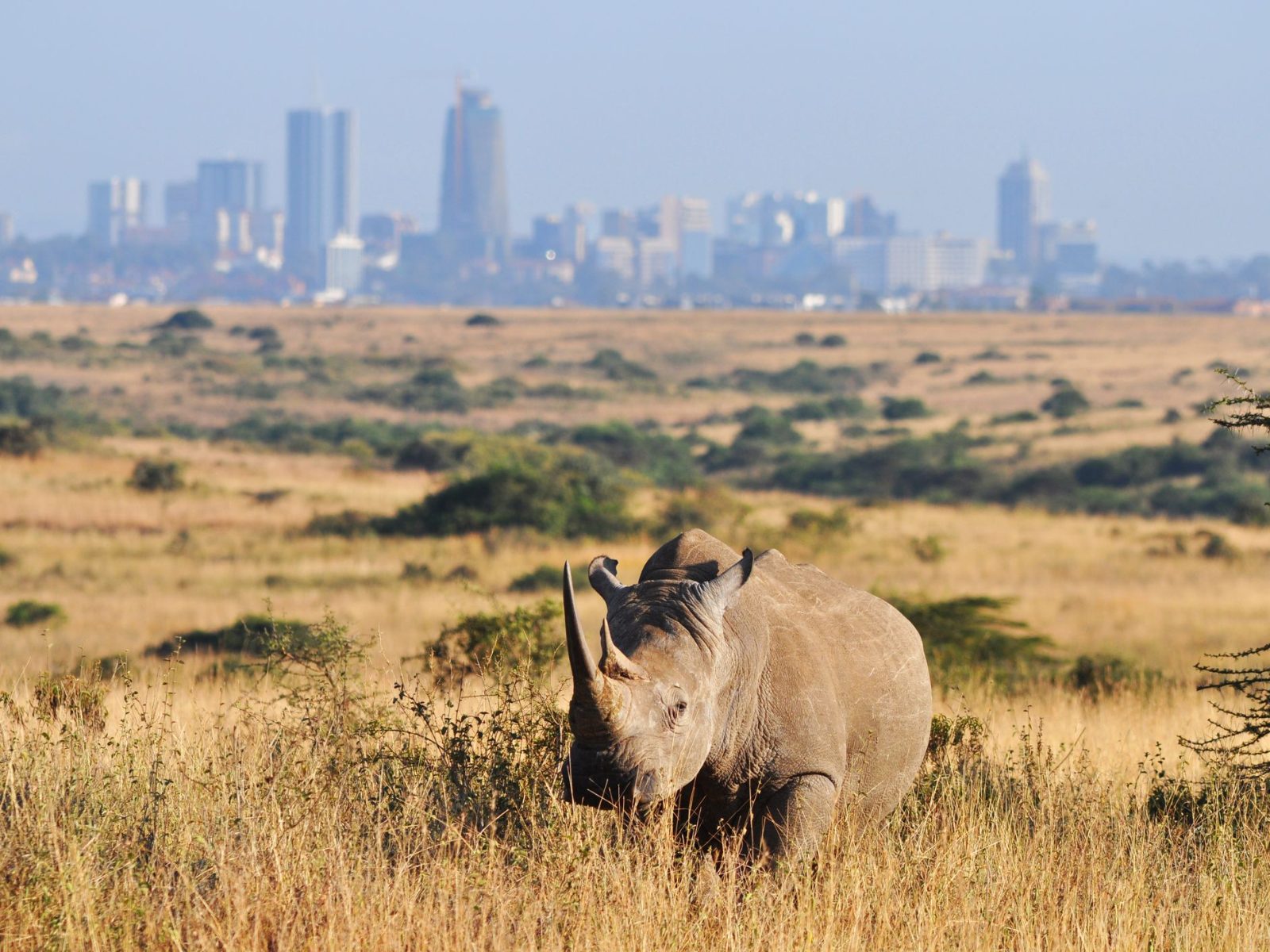
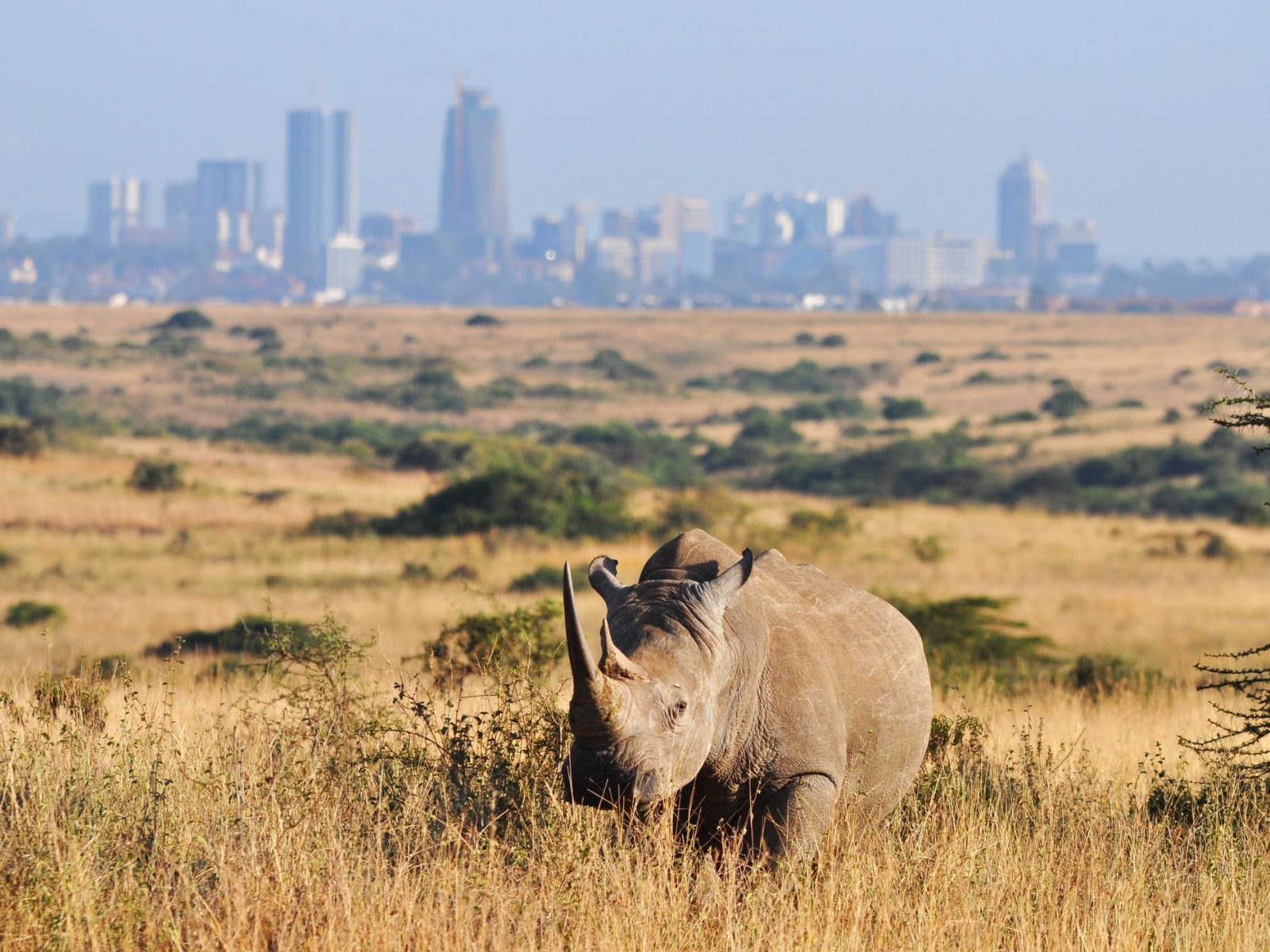
View endangered black rhinos in their natural bushland environment.
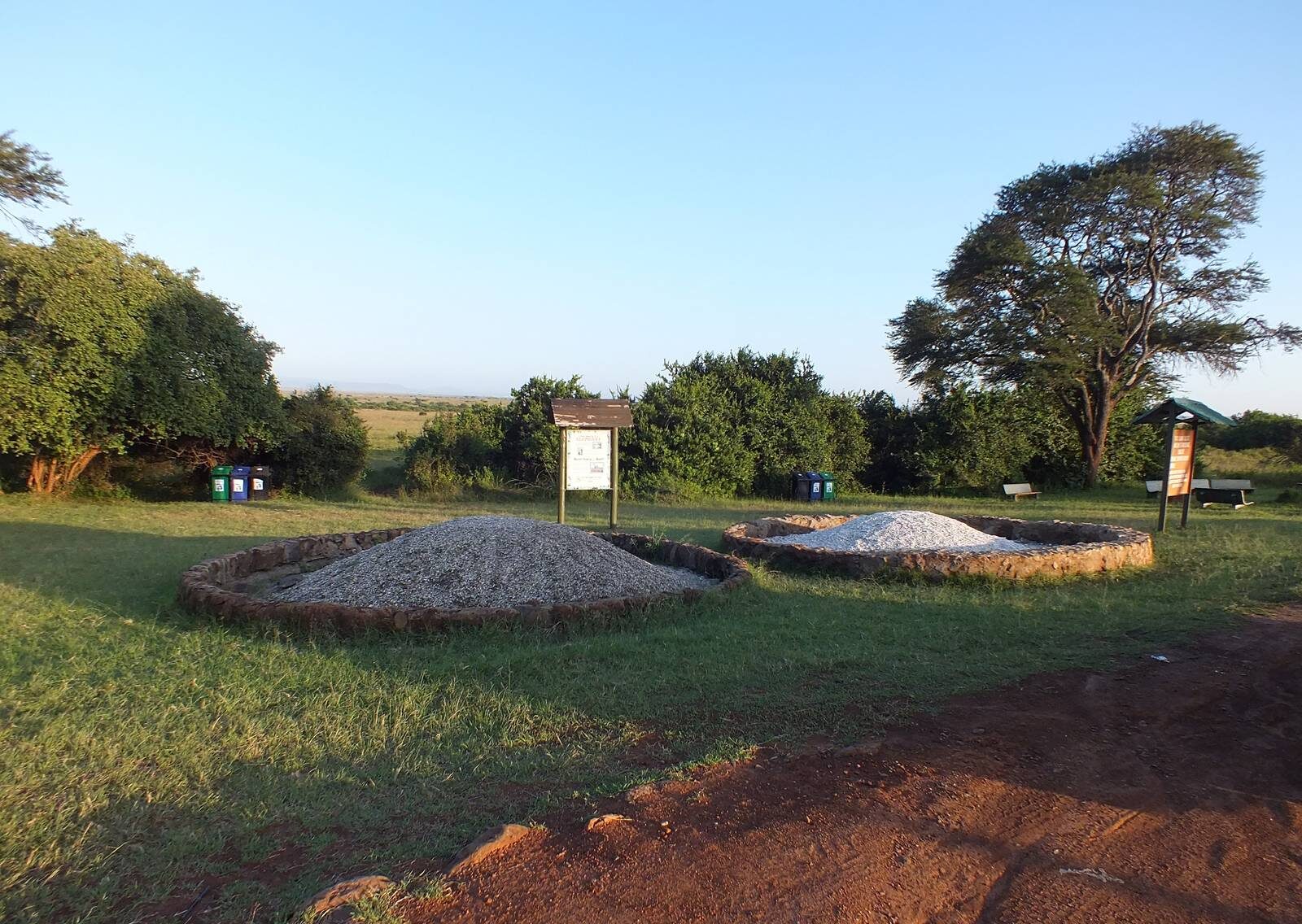
Visit the monument commemorating historical wildlife protection efforts.
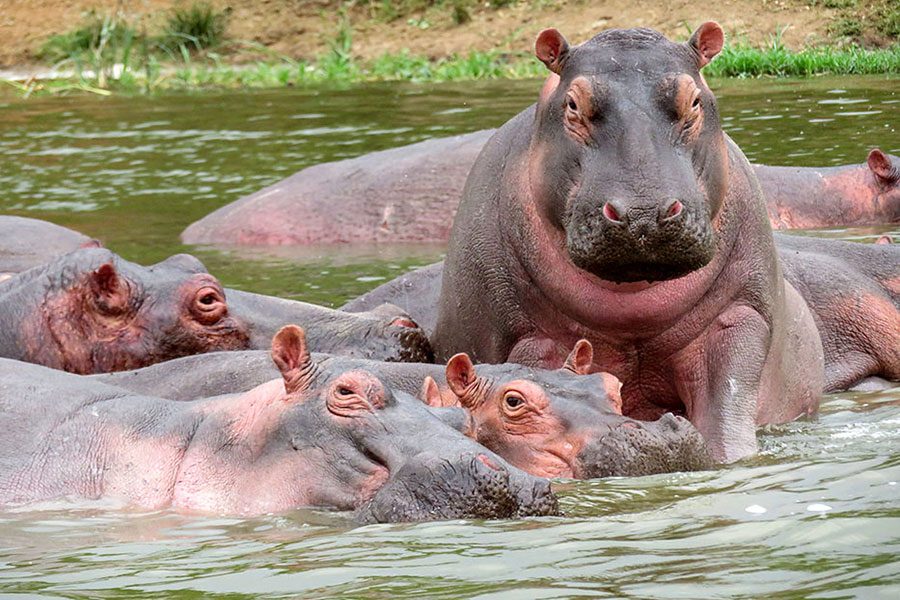
Observe hippos and crocodiles along the Athi River banks.
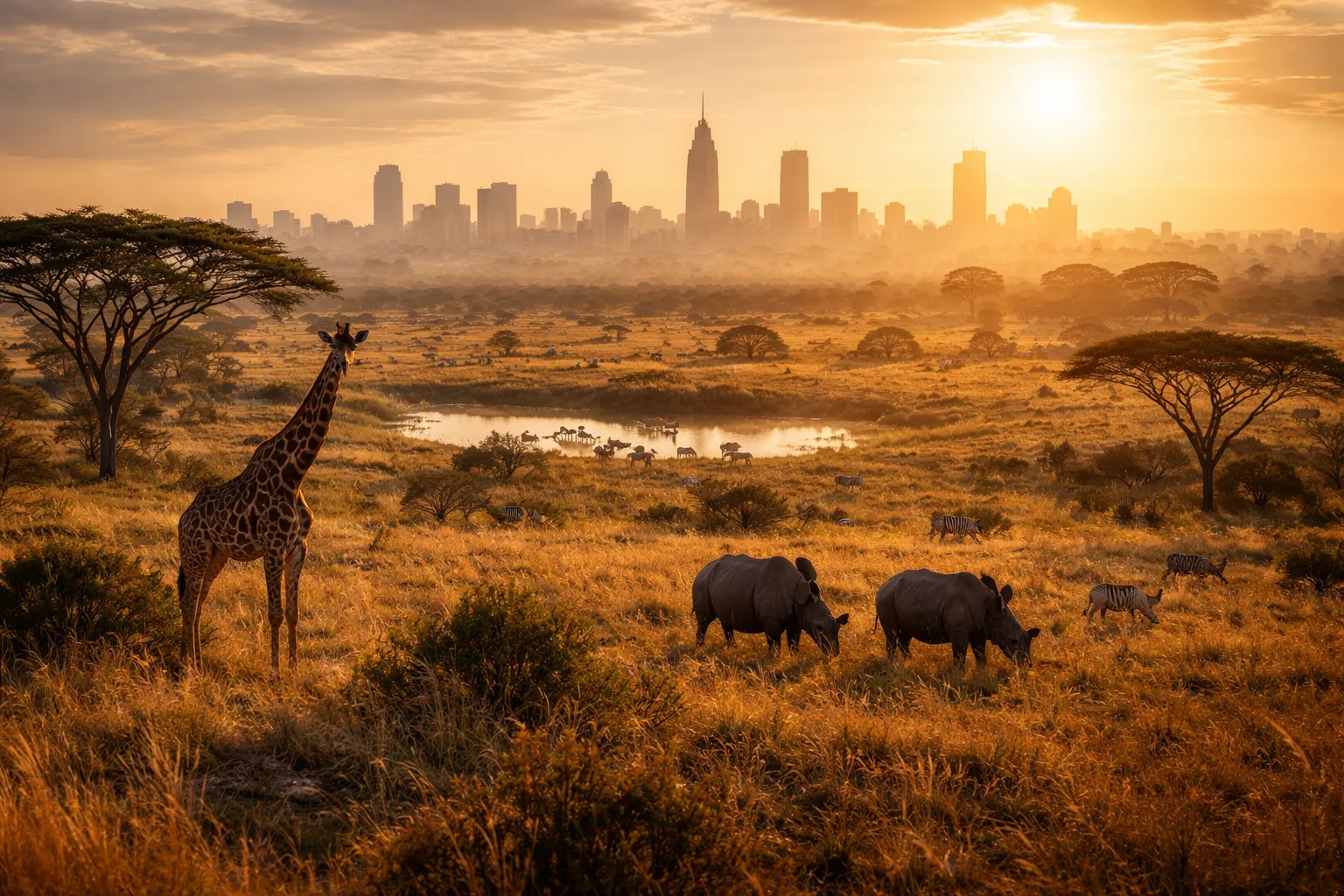
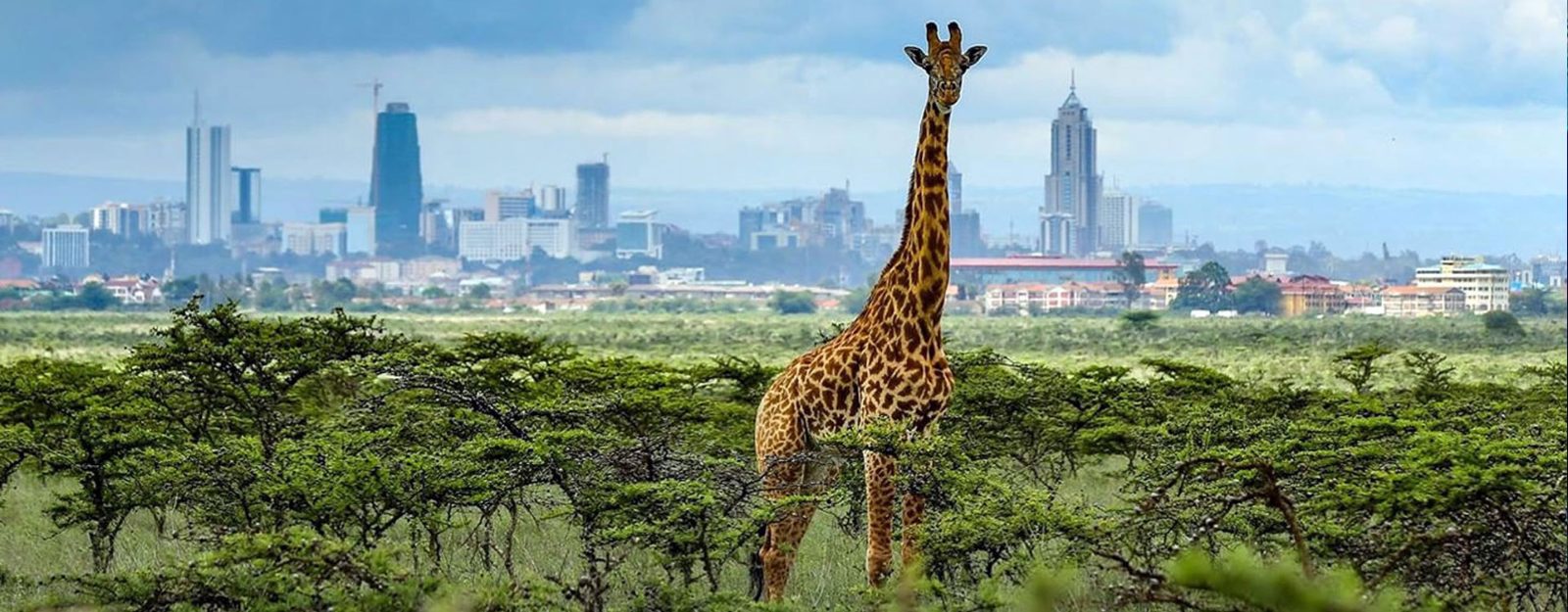
Experience the unique landscape where wildlife roams against a city backdrop.
Every Nairobi National Park and Elephant Orphanage tour side-by-side — duration, what's included, how you redeem.
| Experience | Duration | Rating | Pickup | Guide | Small group | Free cancel. | Price | |
|---|---|---|---|---|---|---|---|---|
|
Guided Experience Most popular
Nairobi Wildlife Safari: National Park, Elephant Orphanage & Giraffe Sanctuary
|
8 hr | ★ 4.8 | ✓ | ✓ | ✓ | ✓ | €31 | Book → |
|
Standard Entry
Nairobi National Park Half-Day Safari with Hotel Pickup
|
5 hr | ★ 4.5 | ✓ | ✓ | ✓ | ✓ | €31 | Book → |
|
Guided Experience
Nairobi Wildlife Triangle: National Park, Elephant Orphanage & Giraffe Centre
|
6 hr | ★ 4.6 | ✓ | ✓ | ✓ | ✓ | €35 | Book → |
All prices from verified partners. Availability and exact terms confirmed at checkout.
Nairobi National Park and Elephant Orphanage Tour offers unparalleled urban convenience, while the Maasai Mara provides the definitive remote wilderness safari experience; most visitors find the city-based excursion more efficient, while the Mara remains the superior choice for extended wildlife immersion.
| Feature | Top pick Nairobi City Safari | Maasai Mara |
|---|---|---|
Travel Time |
30 minutes from city center | 5-6 hours drive or flight |
Infrastructure |
Paved roads and urban proximity | Remote bush camps and airstrips |
Species Diversity |
High density in small area | Great Migration and vast predator variety |
Cost Commitment |
80 USD daily conservation fee | High (transport, accommodation, park fees) |
Required Duration |
Half to full day | Minimum 3 days |
Landscape Character |
Savannah backdrop with city skyline | Vast rolling plains and riverine forests |
| See tickets → |
Verdict: Choose the nairobi national park and elephant orphanage tour for a high-value day trip, or select Maasai Mara nairobi national park and elephant orphanage tour tours if you have time to pursue authentic nairobi national park and elephant orphanage tour ticket packages for a multi-day wildlife expedition.
Choose your ticket, select your date, and reserve in under two minutes. Secure checkout handled by our verified partner.
Instant confirmation by email, with a mobile voucher you can save offline. No printing, no queuing at a collection desk.
Arrive at the entrance, show your voucher on your phone, and walk in. Most tickets include priority or skip-the-line access.
Practical details for Nairobi National Park and Elephant Orphanage tickets straight from our verified partners — hours, access, rules, and how to get there.
Langata Road
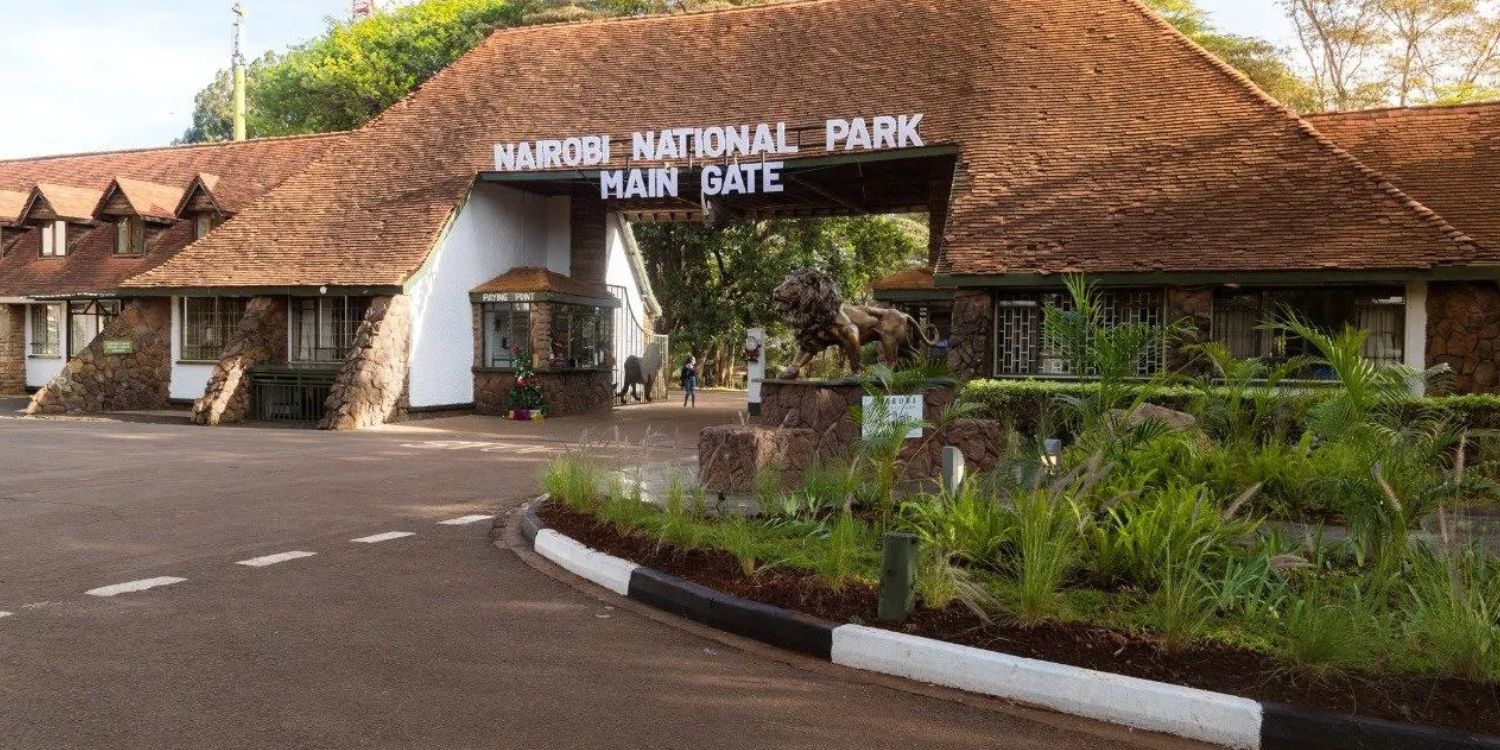
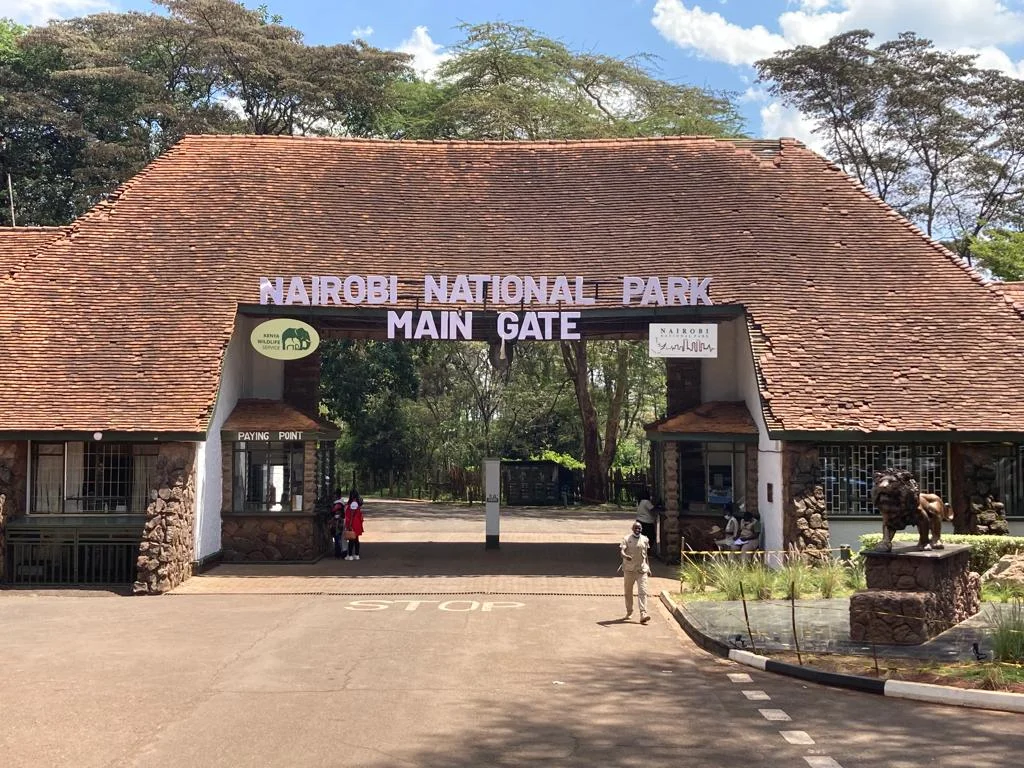
Primary entry for Nairobi National Park tours.
Open in Google MapsMost reliable mode of transport from city hotels.
Follow Langata Road signs from central Nairobi.
Wear neutral-colored clothing and sturdy walking shoes suitable for dusty terrain. A light jacket is recommended for early morning starts when temperatures are lower.
All bags are subject to search at the park entrance gate. Keep valuables on your person at all times, as the vehicle remains open during wildlife viewing.
Photography is permitted for personal use. Avoid using flash when near animals, as it can cause distress to wildlife during the nairobi national park and elephant orphanage tour.
The park terrain is natural and unpaved, posing challenges for wheelchair users. Most nairobi national park and elephant orphanage tour transport options use 4x4 vehicles that require a step to enter.
Mobile devices are allowed for photography and communication. Signal may be inconsistent in remote sections of the park during your nairobi national park and elephant orphanage tour.
Children are welcome on the nairobi national park and elephant orphanage tour, though they must remain inside the vehicle at all times. Supervision is required at the animal sanctuary sites.
Picnicking is allowed only in designated areas within the park. Please carry sufficient bottled water for the duration of your nairobi national park and elephant orphanage tour.
Animals are strictly prohibited inside the park boundaries. Do not leave pets unattended in vehicles at the gate.
The 80 USD conservation fee is mandatory for all foreign non-resident adults. Follow all instructions from your guide to ensure a safe nairobi national park and elephant orphanage tour.
Best time to go, insider tips, nearby landmarks, and the cancellation fine print — flip through to skim what matters to you.
How crowds, weather, and events shift across the year.
The current season offers dry weather, making wildlife easier to spot near water holes. Morning temperatures remain cool for the nairobi national park and elephant orphanage tour.
Small details that turn a good visit into a great one.
The best arrival window is 06:00–10:00 to avoid midday heat.
Book your nairobi national park and elephant orphanage tour tickets well in advance.
Wear closed shoes to protect against dust and insects.
Keep a safe distance from animals during the game drive.
Carry water, as amenities are limited inside the park.
Non-bookable sights within a short walk — free to visit, easy to pair.
Dedicated to the rescue and rehabilitation of orphaned elephants.
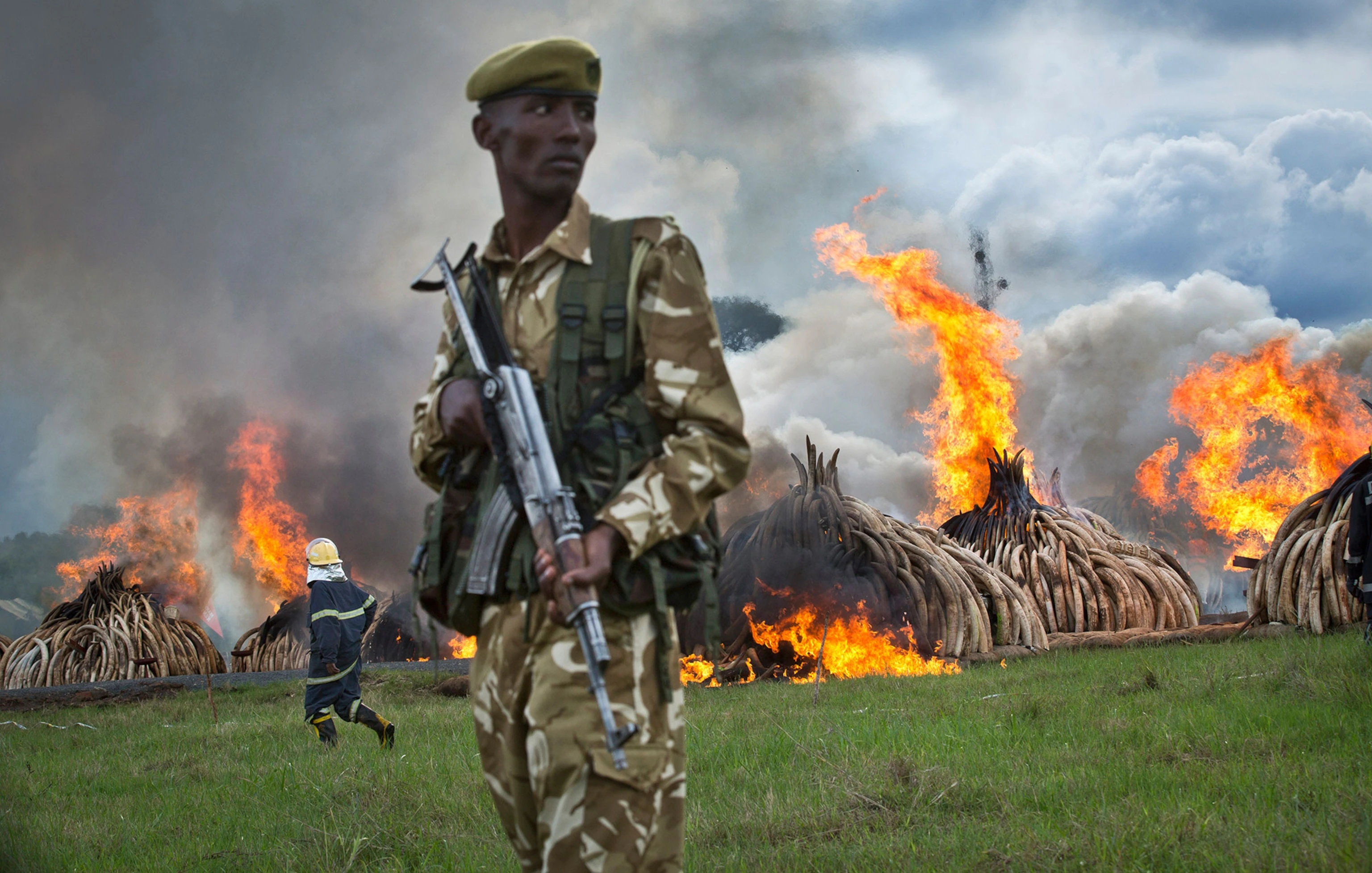
Historical site where seized ivory was destroyed by authorities.
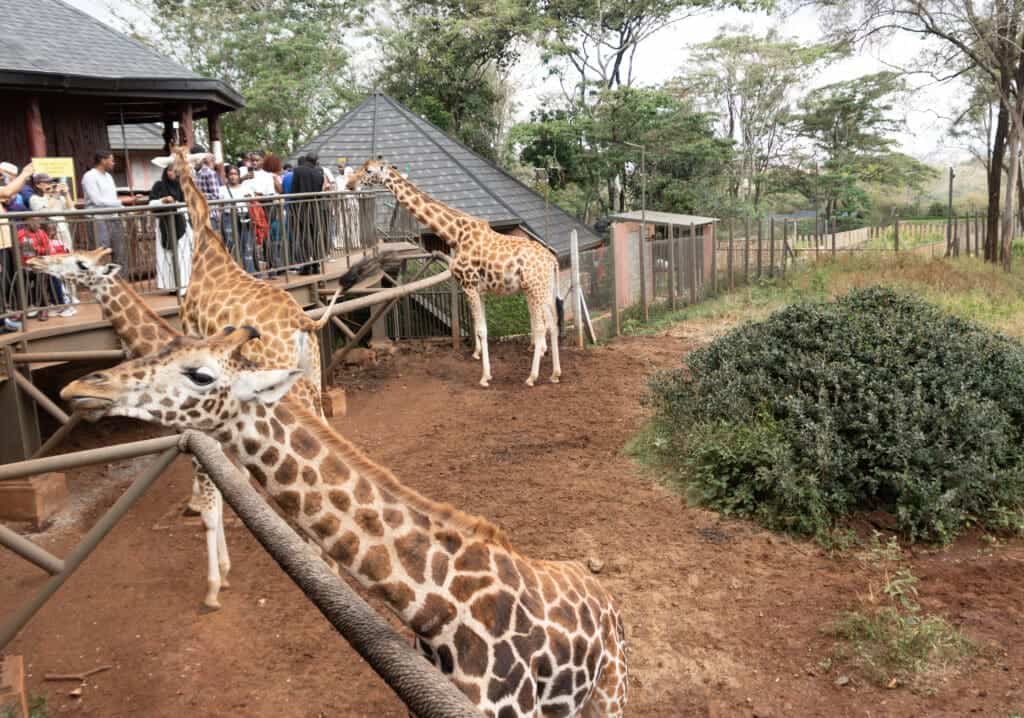
Center for education and conservation of endangered Rothschild giraffes.
Flexible, no hidden fees.
Requests must be made at least 48 hours before the tour date for a full refund. Cancellations within this window forfeit the 80 USD conservation fee.
Hand-picked options within walking distance — pick a district for vibe, or a specific hotel for convenience.
High-end boutique hotel located in the Karen district.
Eco-friendly lodge with proximity to major attractions.
The only accommodation facility within the park boundaries.
Nairobi National Park occupies 117 square kilometres seven kilometres south of Kenya's capital, making it the only protected wildlife reserve bordering a major city anywhere on Earth.
Established in 1946 as East Africa's first national park, it shelters over eighty mammal species and four hundred bird species within sight of downtown office towers and residential estates. The park's southern boundary remains unfenced, allowing seasonal migrations along the Athi-Kapiti ecosystem corridor that elephants, zebras, and wildebeest have travelled for millennia.
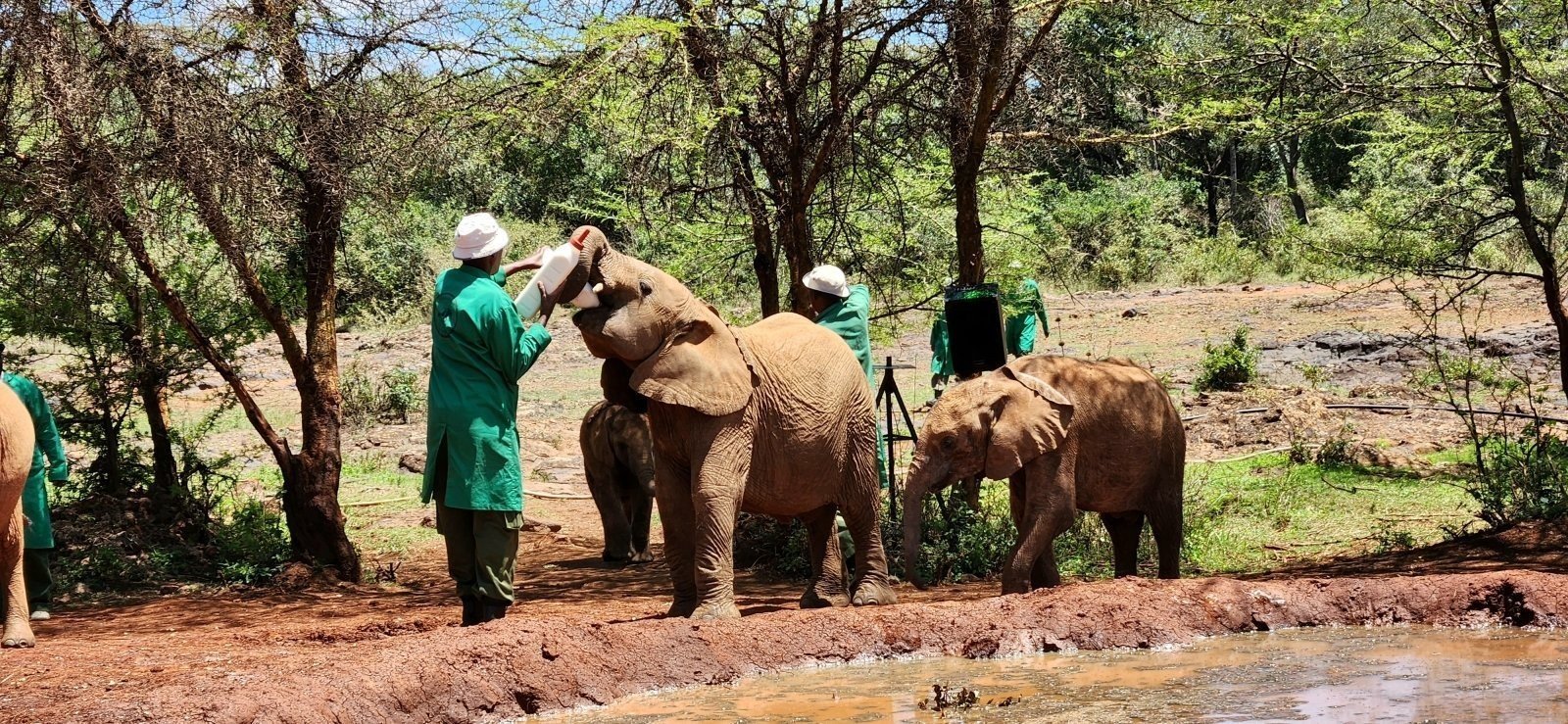
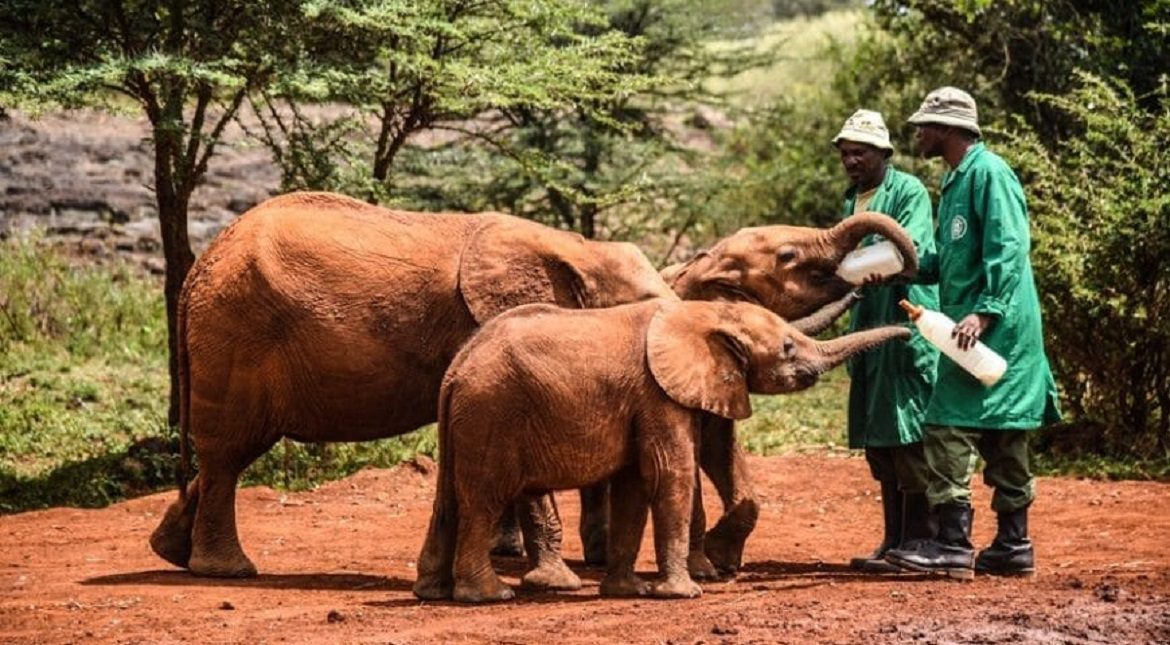
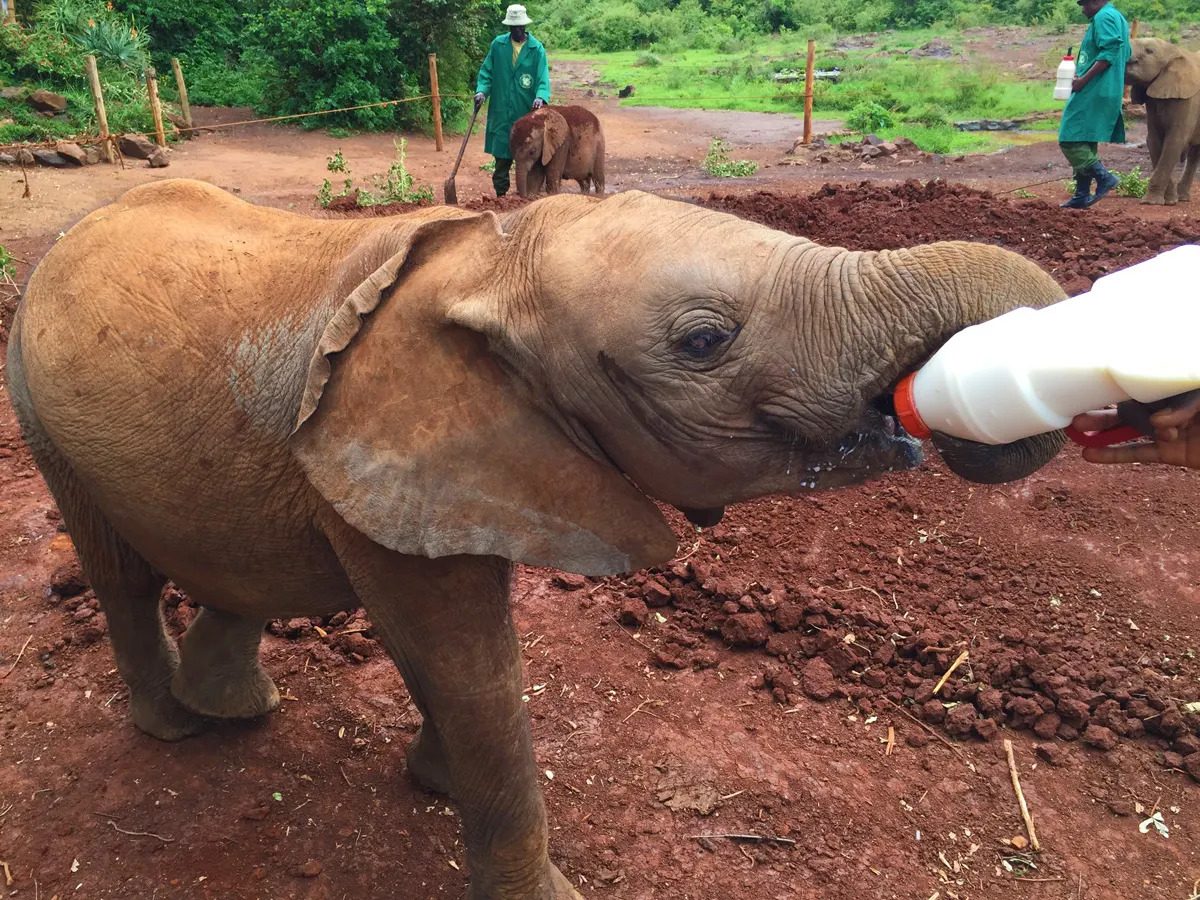
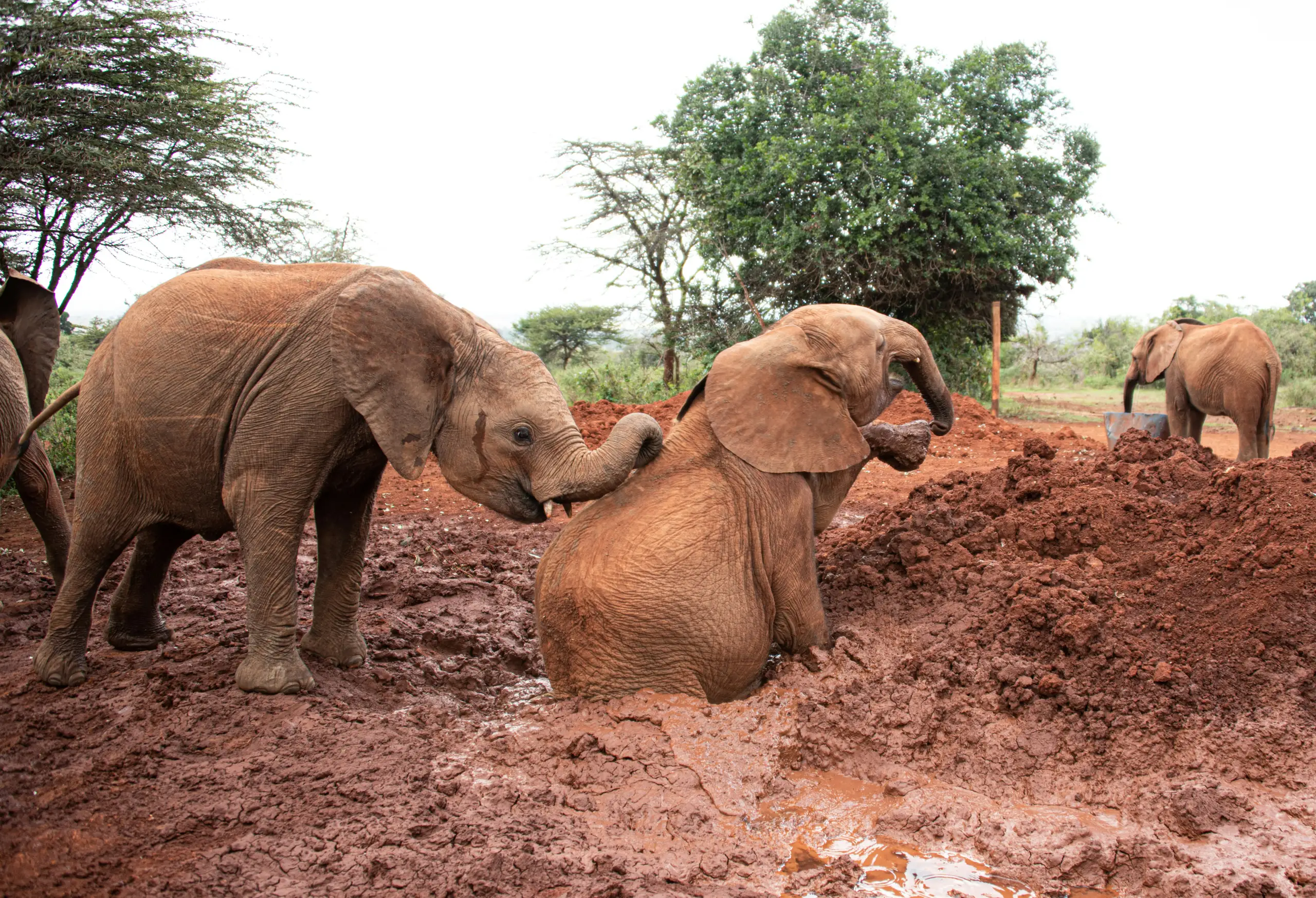
The David Sheldrick Wildlife Trust, situated at the park's northern edge near the main Langata Road gate, has rehabilitated orphaned elephants since 1977. Founder Daphne Sheldrick pioneered milk formulas and husbandry protocols that transformed infant elephant survival rates from near zero to over eighty percent. The trust now operates Kenya's most successful elephant orphanage, with daily public feedings at eleven in the morning when keepers bottle-feed calves rescued from poaching, human-wildlife conflict, and natural disasters. Each elephant carries a documented rescue story, from Mbegu pulled from a well in Kiambu to Maisha airlifted from Meru after her mother was killed. Visitors stand behind rope lines as the orphans emerge from the forest, trunks swinging, coating themselves in red Nairobi earth.
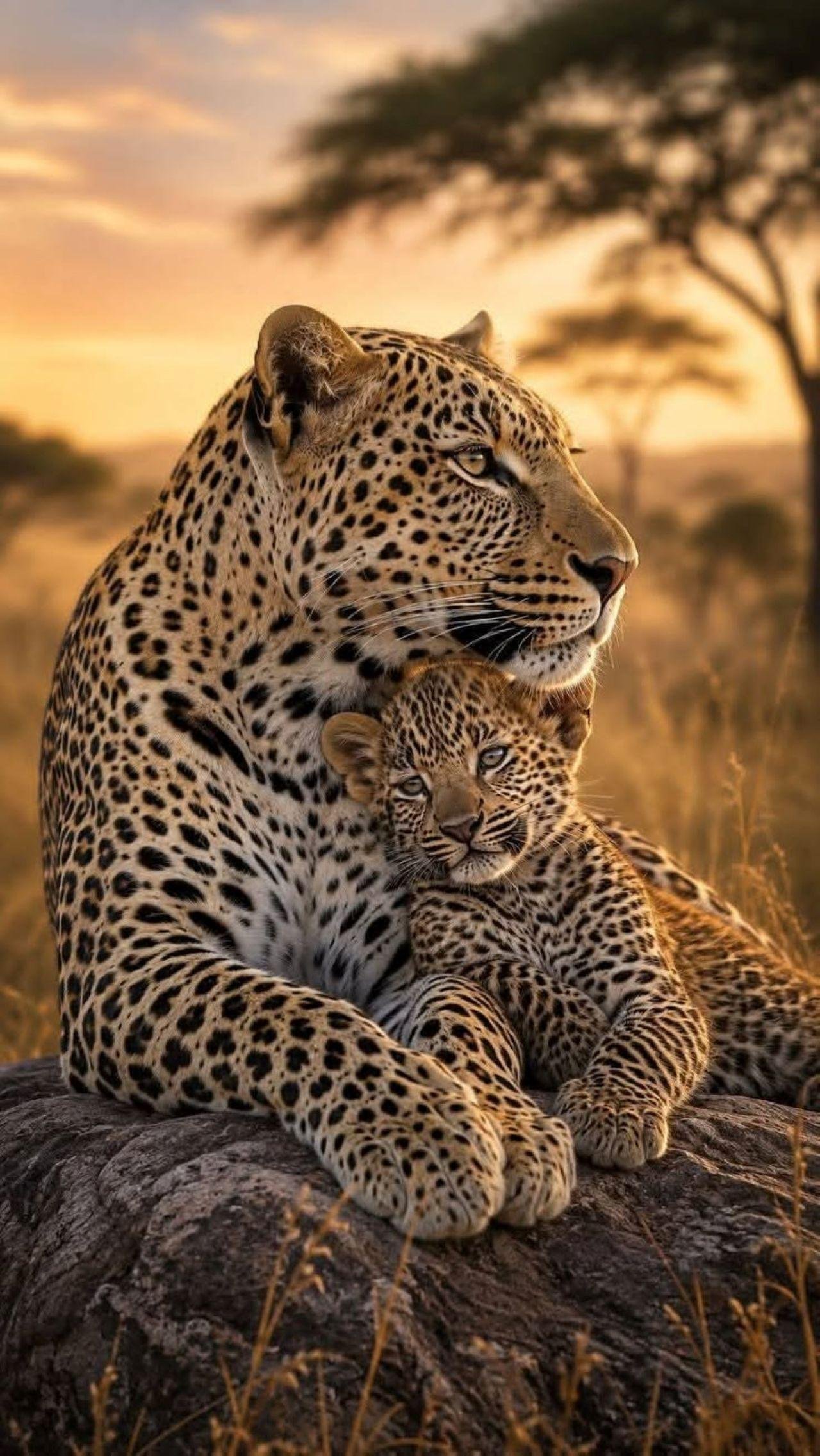
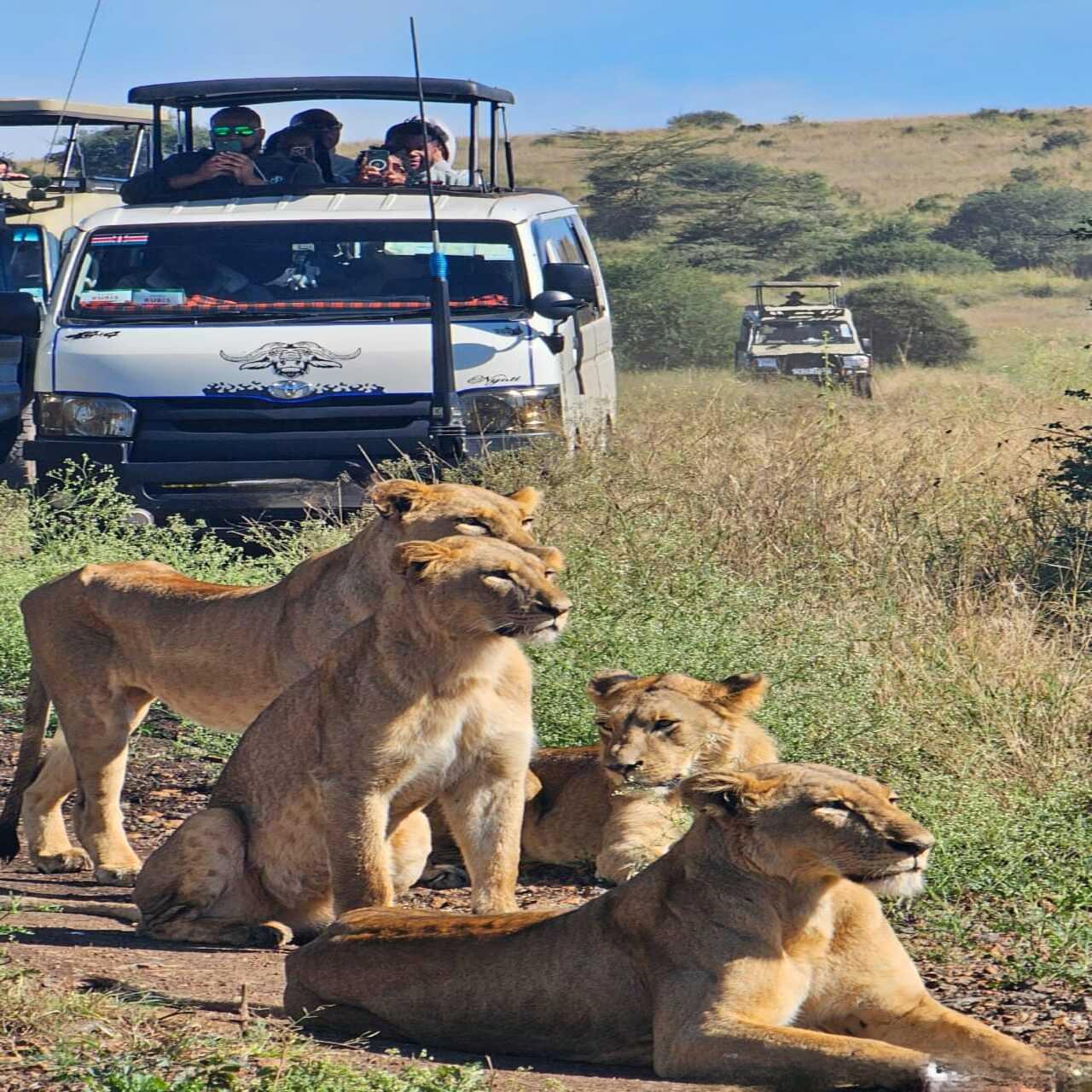
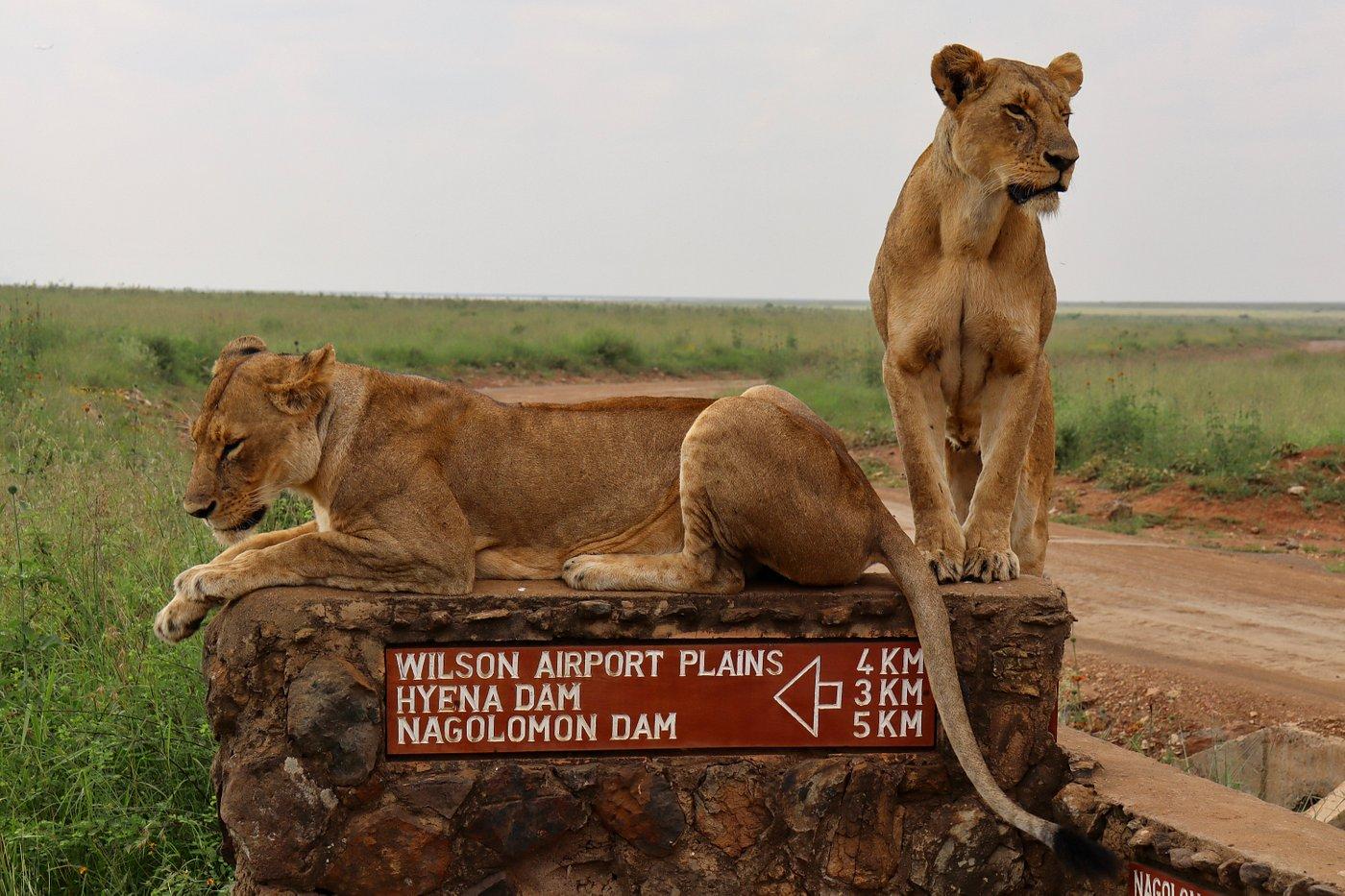
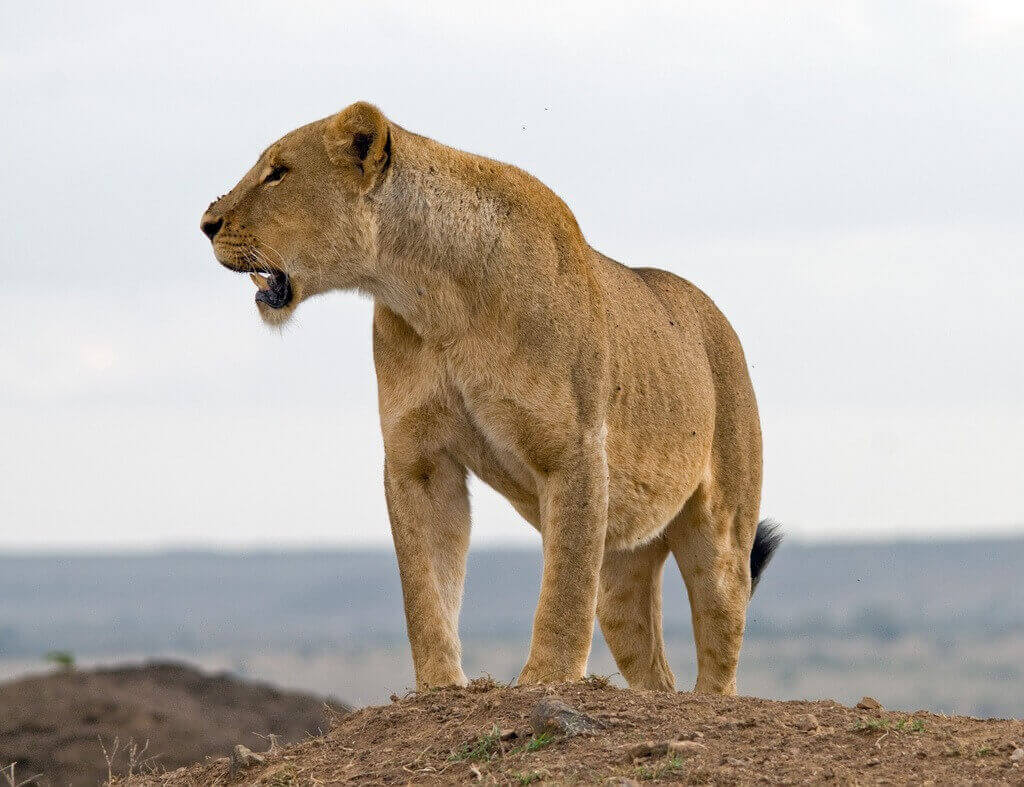
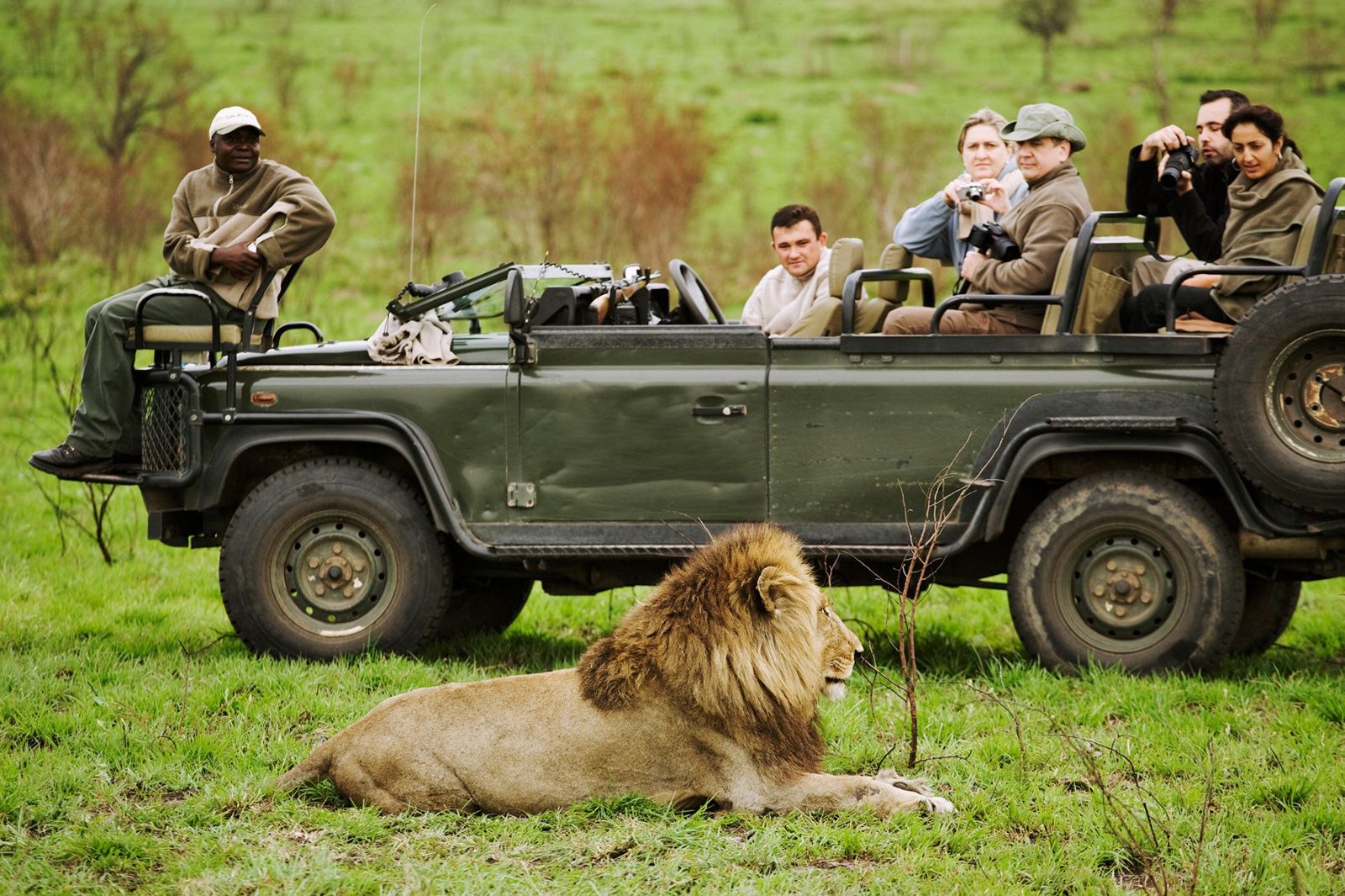
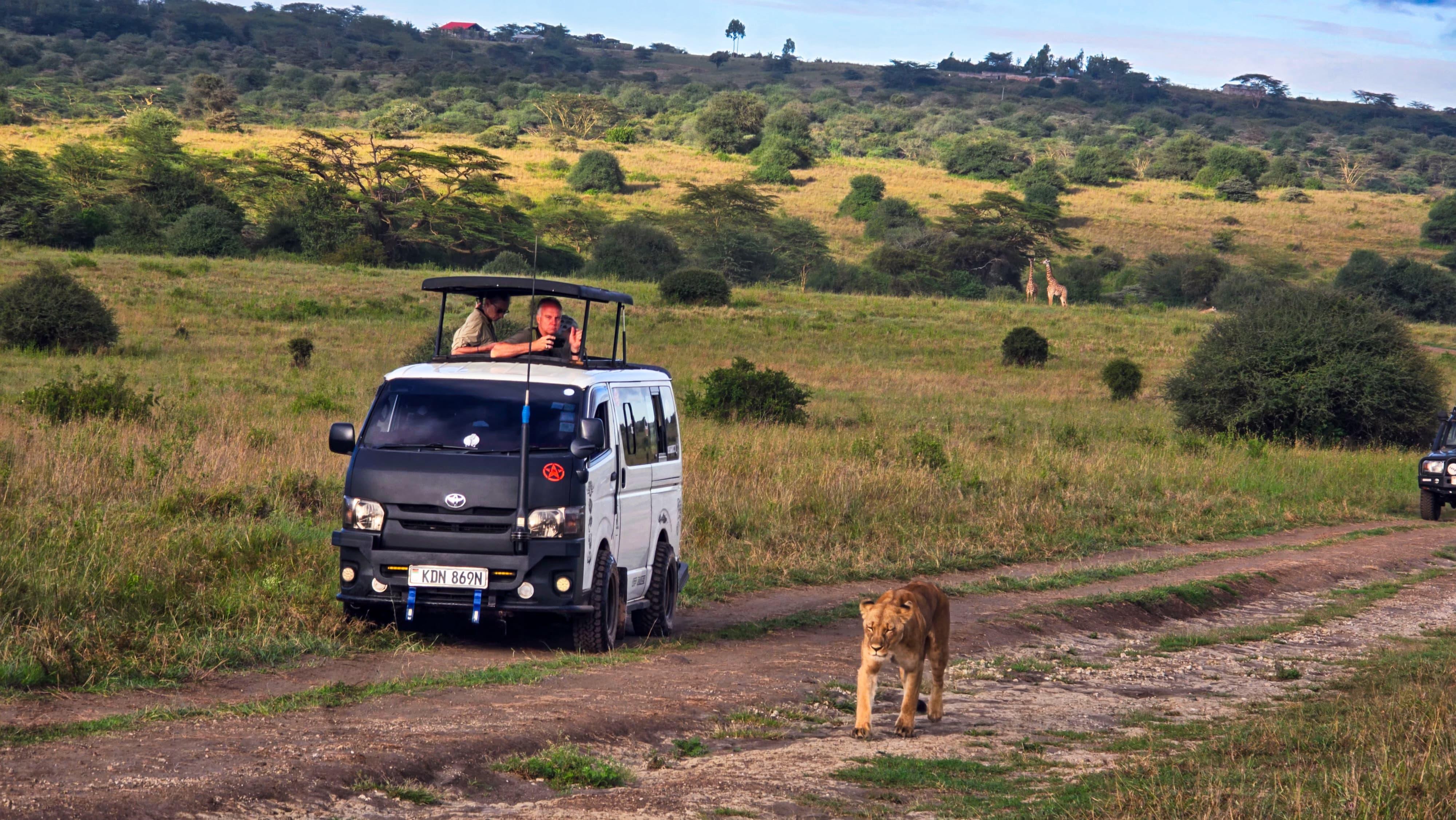
Are there elephants in Nairobi National Park itself? Wild herds no longer reside within park boundaries year-round due to habitat fragmentation, but solitary bulls and small family groups traverse the southern dispersal areas during wet months. The park's real distinction lies in its predator density: black-maned lions, cheetahs on open grassland, leopards in riverine thickets, spotted hyenas denning in abandoned aardvark burrows. Four of the Big Five roam here—only elephants remain absent from permanent residence. Rothschild's giraffes, translocated from western Kenya in the 1960s, browse whistling thorn and fever trees against the improbable backdrop of glass towers and aircraft descending toward Jomo Kenyatta International Airport.
The elephant orphanage Nairobi location at KWS Workshop Gate makes it accessible within twenty minutes of most Nairobi hotels, and the elephant orphanage Nairobi opening hours—eleven to noon daily—allow morning park drives before the midday feeding. The elephant orphanage Nairobi entrance fee of 500 Kenyan shillings for non-residents supports the trust's veterinary outreach across Kenya's protected areas, funding mobile units that attend injured wildlife throughout the country's sixty-plus parks and reserves.

"The only protected wildlife reserve bordering a major city anywhere on Earth."
A step-by-step walkthrough of Nairobi National Park and Elephant Orphanage tickets — what you'll see, how long each stage takes, and the details that matter.
You enter Nairobi National Park at dawn through the main Langata Road gate, the city's silhouette still grey behind you. Your guide steers toward the Athi Basin, where scattered acacias frame the southern plains.
Within fifteen minutes, you spot a coalition of three cheetahs scanning for Thomson's gazelles, their lean bodies motionless except for twitching tail tips. The vehicle idles; you raise binoculars as one breaks into a sprint, covering ground in explosive bounds before the herd scatters.
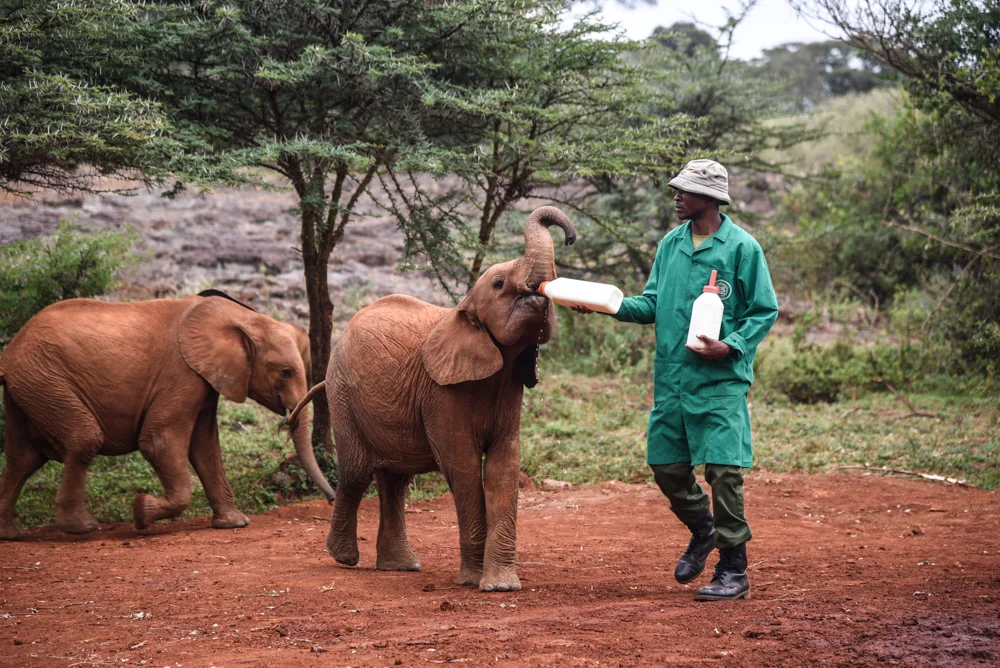
By mid-morning, you've logged zebra herds at the Hippo Pools, watched a secretary bird stalk through burnt grass, and paused at the rhino sanctuary fence where four black rhinos graze under ranger watch. At eleven, you exit the park and drive five minutes north to the David Sheldrick Wildlife Trust. You join fifty other visitors behind rope lines as eighteen orphaned elephants lumber from the forest, keepers in green coats carrying oversized milk bottles. A three-month-old calf named Mayan charges straight for his keeper, wrapping his trunk around the bottle and draining three litres in ninety seconds. Keepers narrate each rescue—Mayan's mother killed by poachers in Tsavo, Roho found alone after drought claimed his herd. The elephants jostle, spray red dust, then retreat into the trees as the session ends at noon, leaving you with mud on your boots and a foster-parent application form in hand.
The park is open daily from 06:00–18:00 for your visit.
The conservation fee is 80 USD per person per day for foreign non-resident adults and is typically managed via official channels.
The best arrival window is 06:00–10:00 to ensure the best wildlife activity.
Photography is allowed for personal use, but flash should be avoided during your nairobi national park and elephant orphanage tour.
Yes, children are welcome on a nairobi national park and elephant orphanage tour provided they follow safety rules.
You can book through official tour operators or the park's official site at https://kws.go.ke.
Prohibited items include drones, plastic bags, and hunting gear.
Limited food is available, so visitors are encouraged to bring water and snacks for their nairobi national park and elephant orphanage tour.
Cancellations made less than 48 hours before the tour result in a loss of the 80 USD conservation fee.